
Minority Group in Tigray Attacked Due to Backward Culture of “Evil Eye”
The Tigray region in Ethiopia has a predominantly homogenous population, with two minority ethnic groups. However, it also has numerous backward cultural practices that marginalize people from the majority. One such incident occurred recently when a minority group in Tigray was targeted and attacked due to the belief in the “evil eye” as a backward cultural practice.
Background:
The “evil eye” is a superstition that is prevalent Tigray, including in parts of Ethiopia. It is believed that certain individuals have the power to cause harm on persons, animals or bring misfortune simply by looking at someone with envy or jealousy. This belief have led to discrimination and violence against those who are perceived to possess this power.
Incident:
In a recent incident in Tigray, Enderta district , members of a minority group were targeted and attacked by individuals who believed that they were casting the “evil eye” on them. The attack on the minority group not only caused physical harm but also compelled them to flee their home, displacing them to another location. Timnit Akelom, 48, had resided in a small hamlet named “Hareko” in the Hintalo sub-district for 30 years. Her husband was brutally murdered in broad daylight by over 20 individuals who believed he had cast an evil eye. She was subsequently forced to abandon her home with her five children and now resides in a small hamlet called Milazat near Mekelle town.
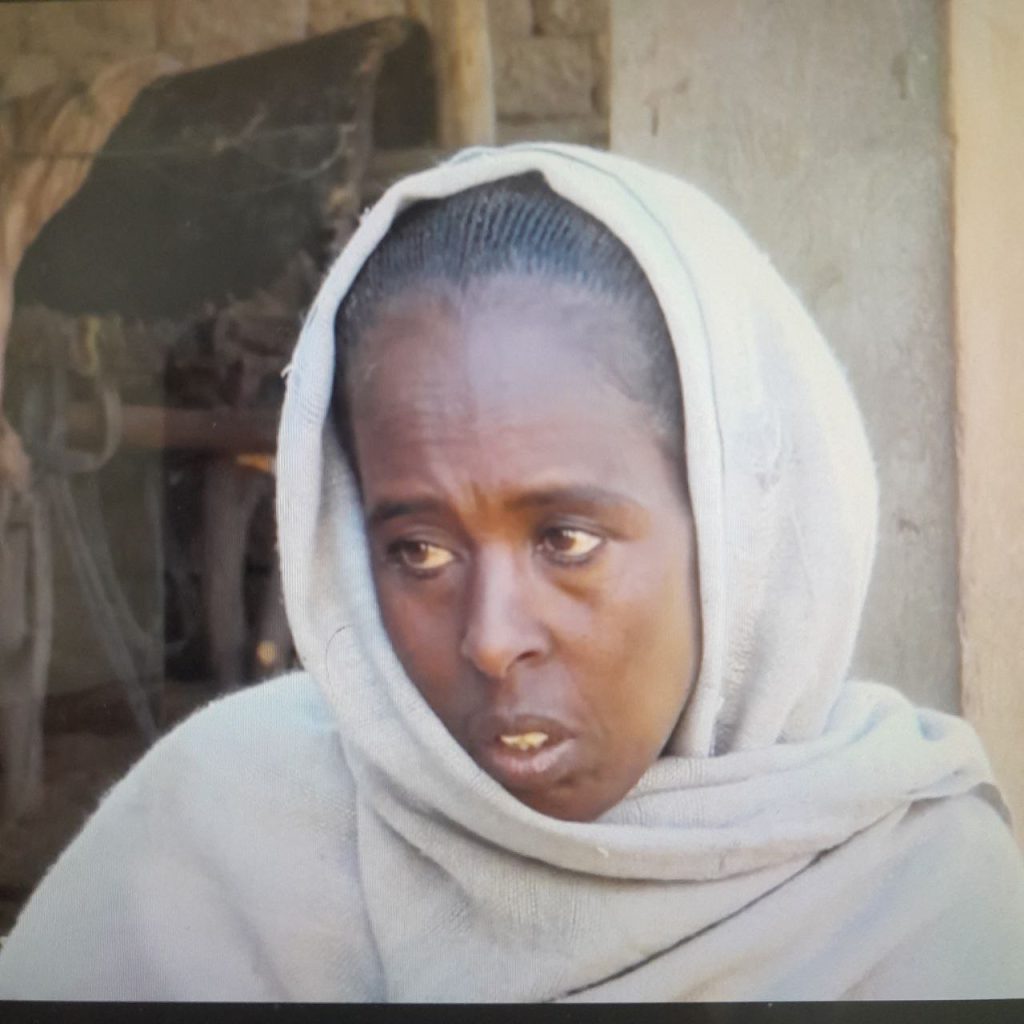
Photo: Timnit Akelom
Gebre Hiluf, 33, was also a resident of “Hareko”. He expressed, “I have been psychologically harmed since my childhood. They view us as hyenas, foxes, or mere animals. My peers always ostracized me, preventing me from attending school. Recently, they set fire to our home and destroyed our harvest. They even killed my brother. Eventually, I fled from my home out of fear for my family’s safety. Eight family leaders, along with 35 family members, fled from our village to Milazat near Mekelle city”
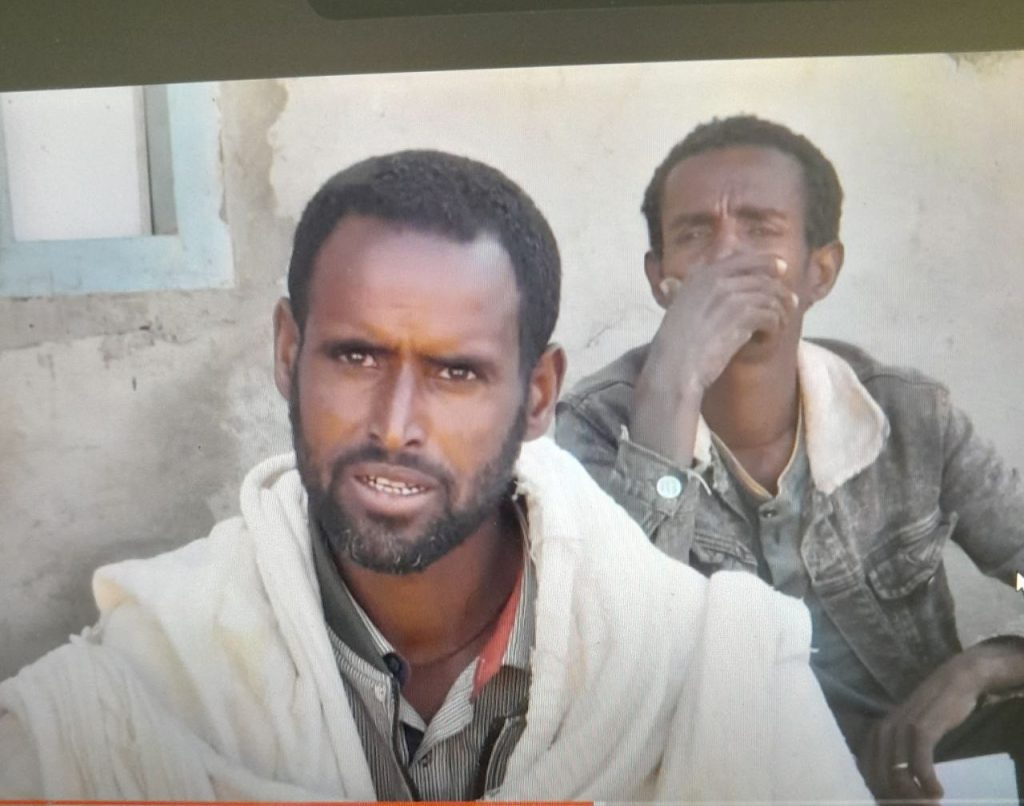
Photo : Gebre Hiluf
Another girl named Awet Abera Kahsay from a hamlet called Godagudi shared her story of isolation at school. People would insult her with words like “wush” and “Dir,” typically used to yell a donkey. Their home was attacked with stones and set on fire. When they sought help from the local administration and police station, they were met with responses like, “Why don’t you stop eating people?” insinuating collaboration with the attackers. They had no legal protection. Some priests in the area, known for their healing work around churches, blamed them for causing illnesses with their alleged evil eyes. The people influenced by the priests then returned to their home and started attacking them. Eventually, Awet and her family had to flee to Milazat. She questioned, “Who am I? Am I not a human being? Why do they treat me like an alien? I live and work just like any other human being, yet I am labeled as something animal-like. The reason remains unknown to me. I have never experienced peace in my life.”
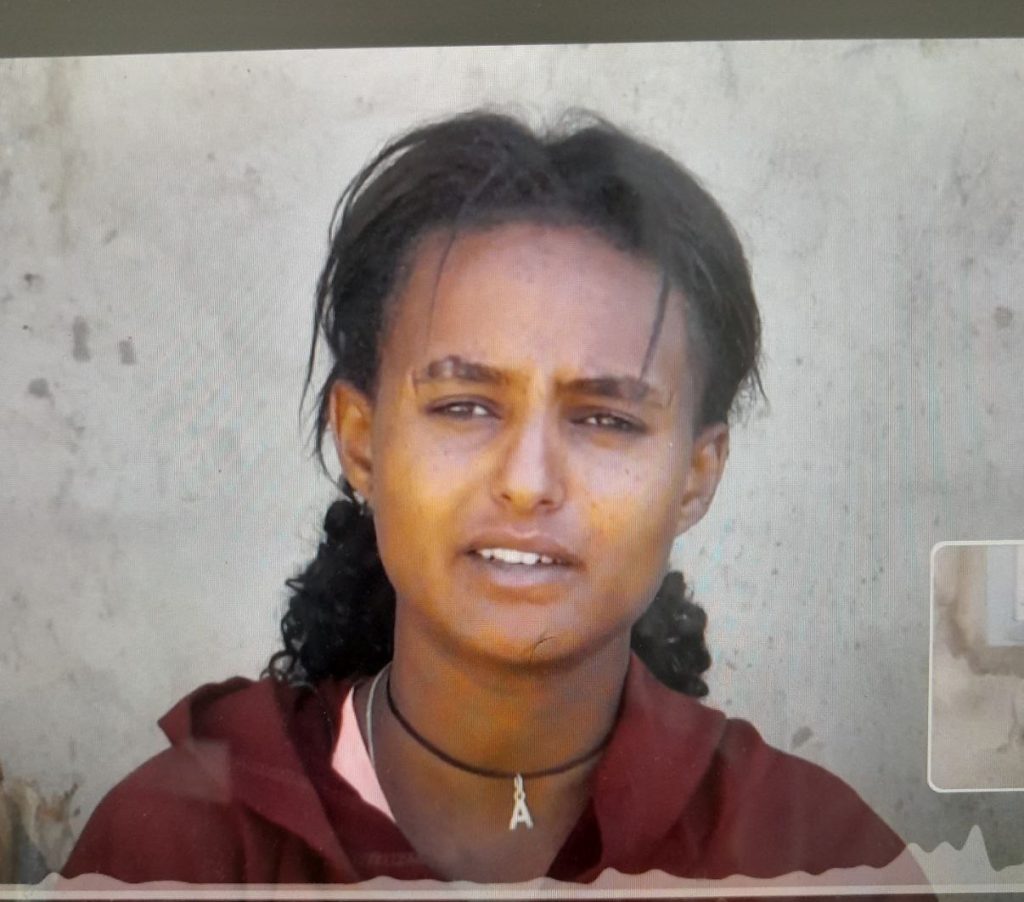
Photo: Awet Abera Kahsay
The story of Timnit Akelom and others serves as a tragic illustration of the devastating impact of violence and discrimination on groups in the Tigray region. The loss of their families and the forced displacement they endured have undoubtedly caused immense pain and suffering. They face profound marginalization and psychological torture due to regressive cultural attitudes.
It is imperative for authorities, humanitarian organizations, and religious leaders to provide support and assistance to individuals like Timnit Akelom and her children, ensuring their safety, well-being, and access to necessary resources as they endeavor to rebuild their lives in a new location. Addressing the root causes of the attacks and discrimination in the region is crucial to prevent further harm and promote peace and reconciliation among the people.
Recommendations:
1. Education and Awareness: Efforts should be made to educate the public about the harmful effects of superstitions like the “evil eye” and promote tolerance and understanding among different ethnic groups.
2. Legal Protection: The government should enforce laws that protect minority groups from discrimination and violence based on cultural beliefs.
3. Dialogue and Reconciliation: religious leaders, Community leaders and organizations should facilitate dialogue and reconciliation between the people to restore peace and return the displaced to their home.
Human rights First – Ethiopia would work on to eradicate this backward culture and assist them legal advocacy.
the Story was narrated on a religious media called ” Tibeb Yibrah” by the victims them selves.