
The convergence of IDP crisis in Tigray, attacks on drivers and passengers in different parts of Ethiopia, escalating forced conscription and widespread arbitrary detention signals a deteriorating security and humanitarian landscape in Ethiopia.
1. IDP Crisis in Tigray
The humanitarian situation of internally displaced persons remains critical. Available data indicate that more than one million people displaced from Western Tigray continue to reside in various parts of the region under extremely difficult conditions. The concentration of large displaced populations in geographically limited areas, combined with reported restrictions on access to essential services, has contributed to severe shortages of food, healthcare, fuel, cash, and other basic necessities. Local sources report increasing mortality associated with deteriorating humanitarian conditions. Alleged forced conscription is further disrupting displaced families, increasing protection risks, and exacerbating the vulnerability of already marginalized communities.
Related to this, over the past four to five months, the federal government has not transferred the regional budget to Tigray. Banks are experiencing severe cash shortages, and fuel is largely unavailable except on the black market.
These restrictions have made everyday life extremely difficult for ordinary citizens. Teachers are not receiving their salaries on time, forcing some to leave their profession temporarily and engage in traditional gold-mining activities to support their families. Due to the shortage of fuel, many women are unable to travel to hospitals, and people in general are unable to move
2. Attacks on Drivers and Passengers in different parts of Ethiopia
Reports indicate a concerning increase in attacks targeting commercial drivers and civilian passengers along major transport corridors in several parts of Ethiopia, posing significant risks to civilians’ right to life, security, and freedom of movement. The recurring incidents of killings, abductions, and armed attacks have heightened insecurity and disrupted civilian transportation.
One of the most serious reported incidents occurred on 28 May 2026, when armed men allegedly intercepted a passenger vehicle on the Gohatsion–Tulu Milki road in the Oromia Region. According to available information, more than ten passengers were killed and many others were abducted.
Further reports indicate that between 1 and 4 June 2026, multiple attacks were recorded across different regions. Along the Bahir Dar–Gondar road in the Amhara Region, more than six commercial drivers were reportedly abducted. On the Awash–Metehara route in the Oromia Region, more than ten passengers were allegedly abducted. Additional reports indicate that five drivers were abducted in the West Gojjam Zone, while one commercial driver was reportedly killed in the Benishangul-Gumuz Region.
These incidents, together with other reported attacks over the past two months, suggest a persistent pattern of violence targeting civilians using Ethiopia’s road transport network. The continued insecurity has serious humanitarian, economic, and human rights implications, affecting freedom of movement, access to livelihoods, and public confidence in civilian transportation.
The reported pattern underscores the urgent need for effective measures to protect civilians, strengthen security along major transportation routes, conduct prompt and impartial investigations into reported attacks, and ensure that those responsible are held accountable in accordance with the law.
2. Forced Conscription in Tigray
Reports indicate that forced conscription remains widespread across Tigray. Armed personnel, some reportedly wearing face coverings, are alleged to conduct recruitment operations in public spaces, transport terminals, residential areas, hotels, recreational venues, and religious institutions. Young men attempting to travel outside the region are reportedly intercepted and removed from buses. One eyewitness described an incident on 3 July 2026 in which armed men reportedly stopped a bus departing for Addis Ababa and forcibly removed more than 20 young male passengers. The witness, a 58-year-old former TPLF veteran, stated that she observed the incident first hand and was intimidated after questioning the armed personnel about the practice. If corroborated, these reports indicate a systematic pattern of coercive recruitment that has generated widespread fear and restricted civilians’ freedom of movement. Arbitrary arrests are increasingly prevalent, targeting individuals across age groups and professions. Notable cases include the detention of a 70-year-old woman for expressing opinions on a YouTube channel and the arrests of prominent academics, including a medical doctor and lecturer from Adigrat University, during routine travel. Local police have acknowledged they are acting under orders without knowledge of specific charges. Additionally, parents across central and northwestern Tigray zones are being arrested and held for weeks under pressure to produce their sons for conscription, indicating a deliberate strategy to coerce compliance through family-based intimidation.
3. Arbitrary Detention in Tigray
Reports also indicate an escalation in arbitrary arrests and detention. Individuals are allegedly being detained without clear legal grounds, including for peacefully expressing their opinions. Reported cases include the two-day detention of a 70-year-old woman following comments made on a YouTube channel, the arrest of Dr. Yemane Gebremariam, a medical doctor and lecturer at Adigrat University, while traveling from Adigrat to Mekelle on 3 July 2026, and the detention of another Adigrat University lecturer. According to available information, local police officers reportedly stated that the arrests were carried out pursuant to orders from higher authorities. Additionally, parents in Central and Northwestern Tigray are reportedly being detained for extended periods to pressure them into producing sons who are sought for
conscription. These allegations raise serious concerns regarding arbitrary deprivation of liberty, due process, and freedom of expression.
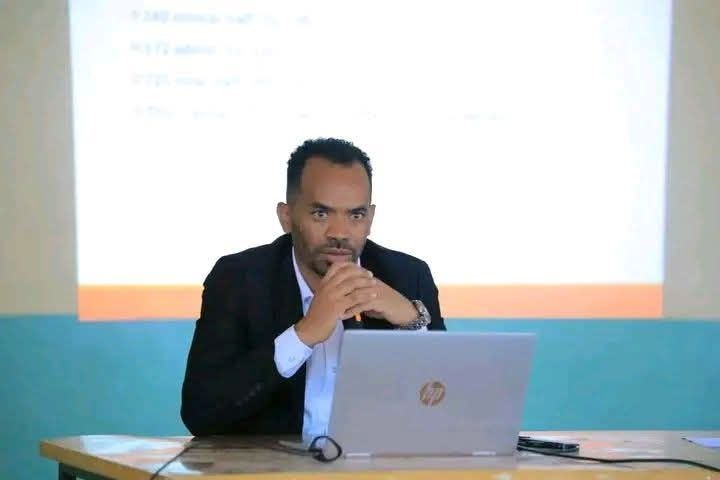
Dr. Yemane Ghebremariam
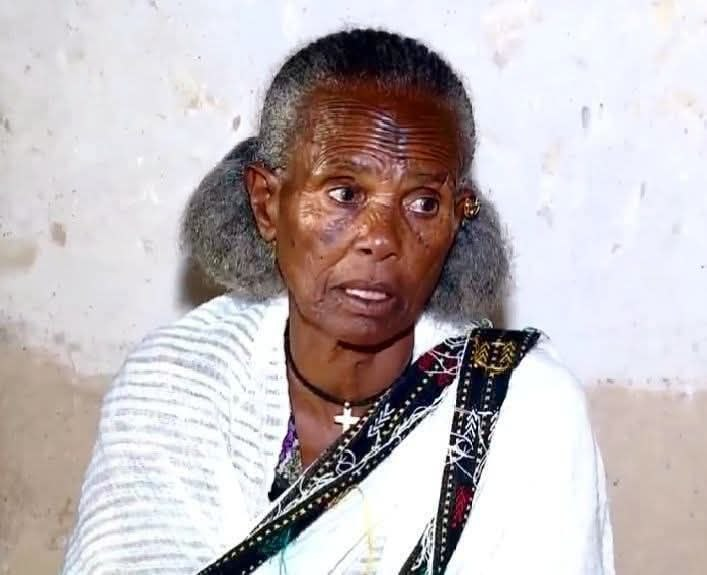
ms. Akeza