
Events
Documentation of institutional meetings, strategic partnerships, and Memorandums of Understanding (MoU) signed by Human Rights First Ethiopia.
HRFE SUCCESSFULLY HELD Its SPECIAL BOARD MEETING
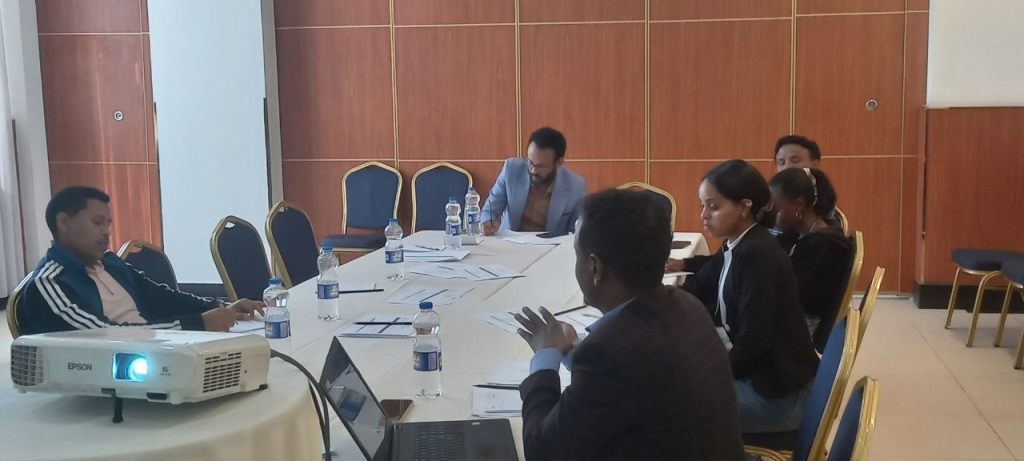
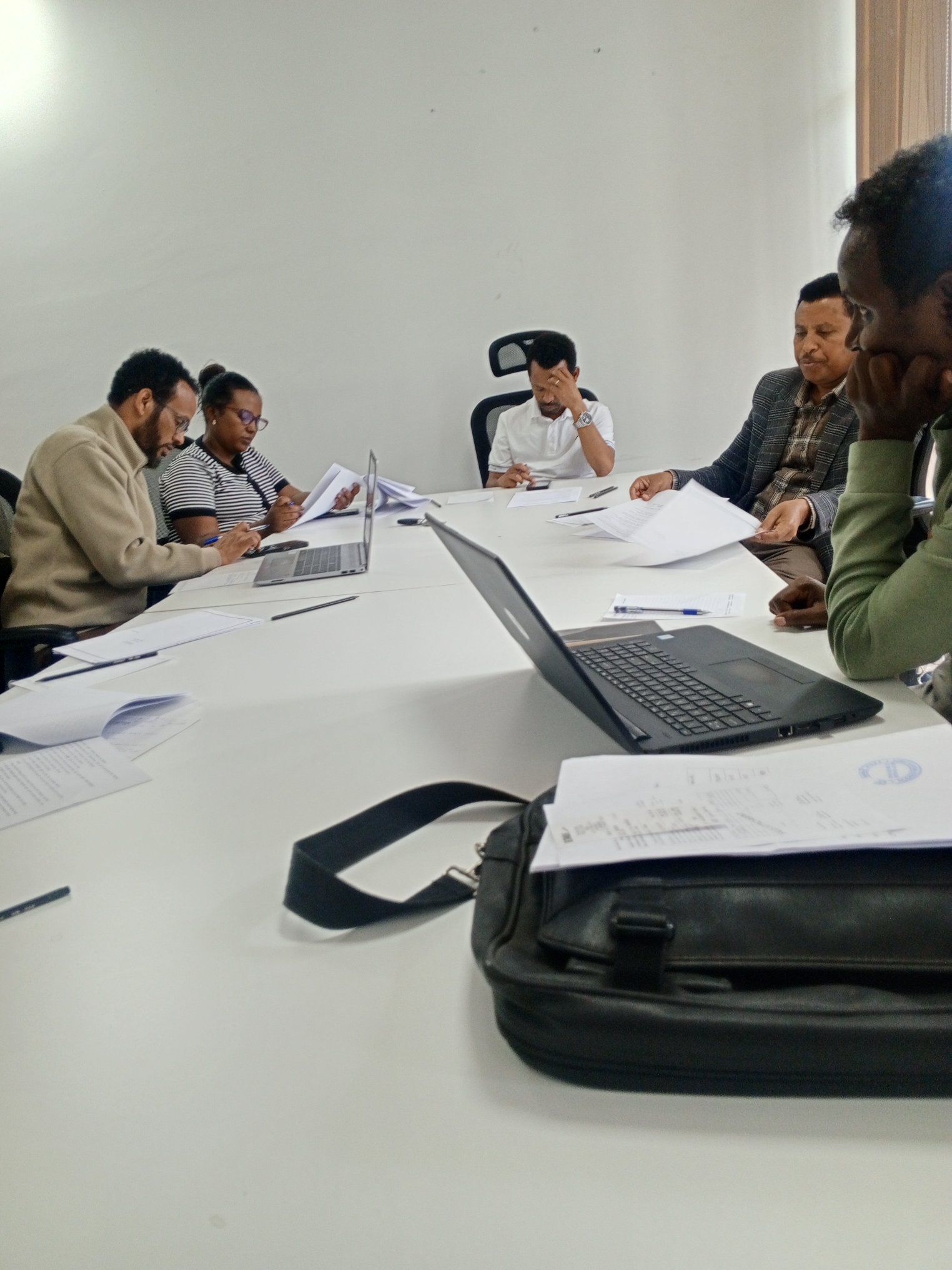
Human Rights First Ethiopia (HRFE) successfully held its Special Board Meeting in Addis Ababa on May 2, 2026. The meeting was conducted with active participation and reflect HRFE’s continued commitment to good governance and institutional development.
Human Rights First signed MOU with Vox Tigray
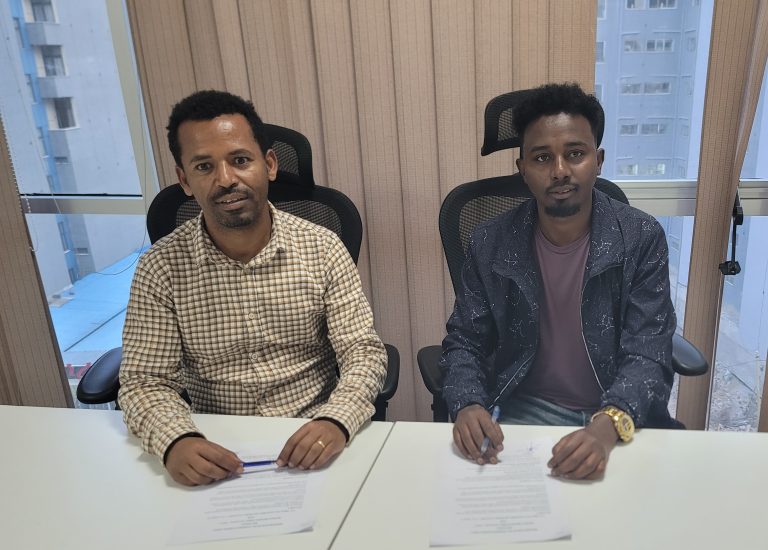
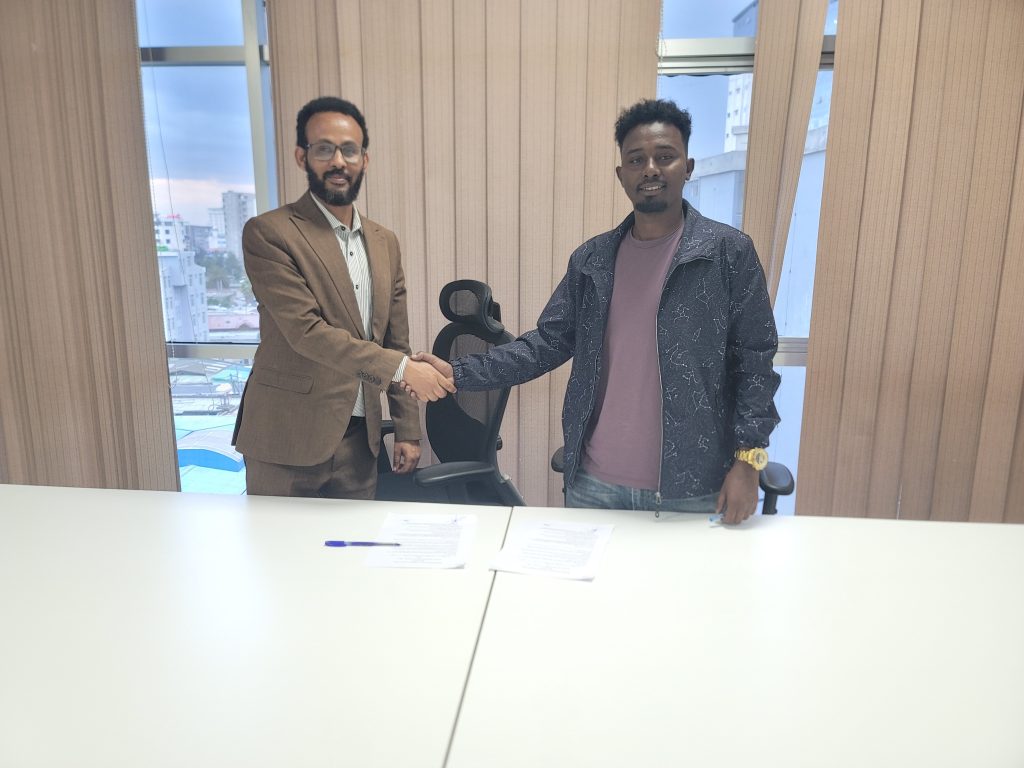
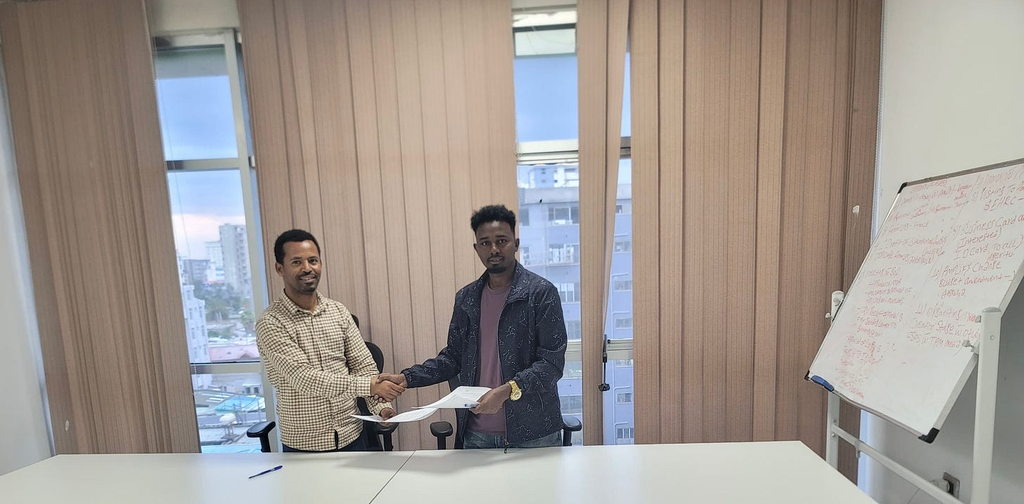
Human Rights First (HRF) formalized a Memorandum of Understanding (MoU) with Vox Tigray, a civil society organization founded by a group of distinguished journalists, on May 2, 2026. The agreement is aimed at jointly defending freedom of expression and advancing the protection of journalists, particularly in contexts where press freedoms are under threat.
The MoU establishes a framework for cooperation between the two entities, including legal support, advocacy initiatives, capacity-building programs, and emergency response mechanisms for journalists facing harassment, detention, or other forms of repression.
Human Rights First was represented at the signing ceremony by Mebrihi Birhane, Vice Director of the organization. Vox Tigray was represented by Adhanom Seretse, Head of Legal Affairs.
Human Rights First and Vox Tigray Sign MoU to defend freedom of expression and protect Journalists
Wegahta Facts May 04, 2026
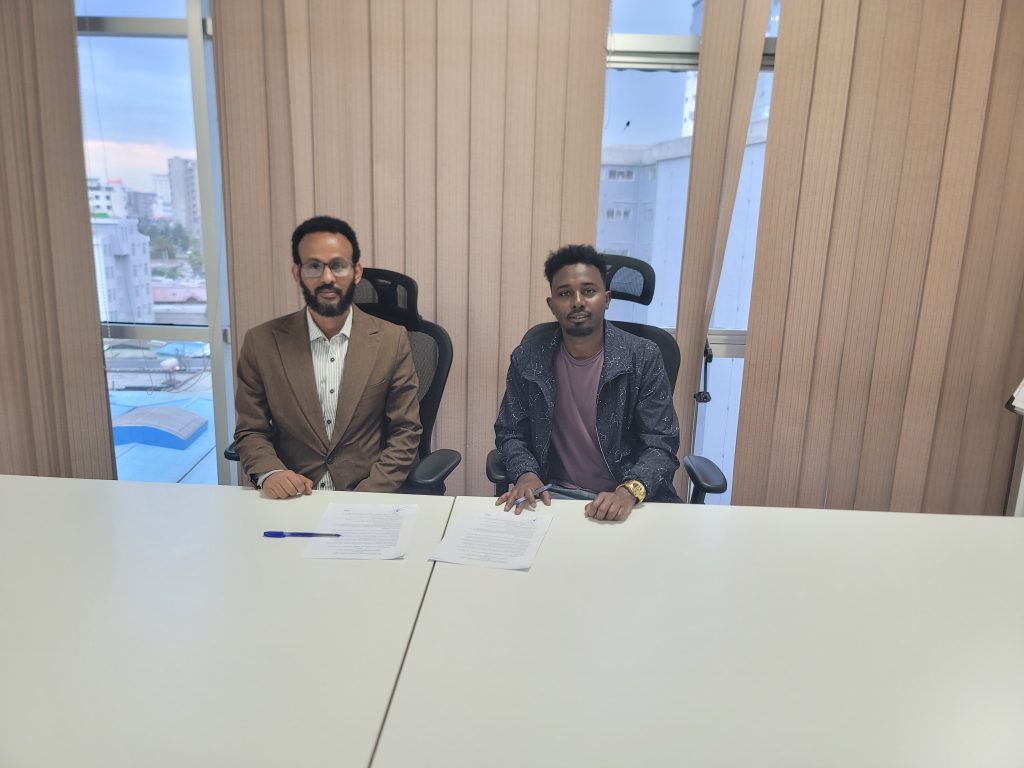
Mekelle, Tigray — (Wegahta) – Human Rights First (HRF) and Vox Tigray For Journalists and Media signed a Memorandum of Understanding on April 29, 2026, establishing a formal partnership to promote and protect freedom of expression, the safety of journalists and accountability for human rights violations affecting media professionals.
The MoU was signed by HRF Vice Director Mebrihi Birhane and Vox Tigray’s Legal affairs coordinator Adhanom Seretse. It commits both organisations to joint work on legal defence, emergency protection, digital and physical security training, advocacy, and documentation of violations against media professionals. The document describes itself as non-binding but provides a structured operational framework with designated Focal Persons, monthly meetings, and an emergency channel for real-time threat alerts.
“A free, independent, and safe media is essential for the protection of all human rights, and human rights monitoring is impossible without the work of courageous journalists.”
— PREAMBLE, HRF–VOX TIGRAY MEMORANDUM OF UNDERSTANDING, 29 APRIL 2026
The preamble of the agreement explicitly acknowledges “the heightened risks of arbitrary detention, physical attack, digital surveillance, legal harassment, and conflict-related violence facing journalists in Tigray region and beyond” as the driving motivation for the partnership. These conditions form the backdrop against which both organisations said they agreed to work together.
Under the terms of the document, a confidential reporting mechanism will be established through which Vox Tigray can refer cases of threats, attacks, arrests, or censorship of journalists to HRF for human rights verification. The two parties also agreed to exchange non-public, consent-based information on threats and violations, to collaborate on the analysis of patterns and trends, and to produce joint alerts or briefings covering issues such as the use of anti-terror laws against journalists, enforced disappearances, and shutdowns of media houses.
On emergency protection, the MoU states that HRF will offer pro bono or funded legal assistance options for journalists facing criminal defamation, sedition, or national security charges. The parties also committed to exploring legal assistance options for journalists at risk, developing referral pathways for protection support, and, where feasible, coordinating temporary safe houses or evacuation support for journalists under direct threat.
WHAT THE MOU COMMITS BOTH PARTIES TO
- A confidential referral system for cases of journalist threats, arrests, and censorship
- Pro bono or funded legal representation for journalists facing sedition, defamation, or national security charges
- Coordination of safe houses or evacuation support for journalists under direct threat, where feasible
- Joint “Safety & Rights” workshops covering digital security (encryption, anti-surveillance), physical threat assessment, and psychosocial first aid
- Development of a “Know Your Rights” guide tailored to local legal context, including how to interact with security forces and what to do upon arrest
- Coordinated advocacy at national, regional, and international levels, including joint letters to government authorities and armed groups
- Documentation of serious violations and creation of a public memorial or report honouring fallen journalists
- Monthly virtual meetings and quarterly in-person meetings between designated Focal Persons
- An emergency communication channel for real-time threat alerts
The agreement places a strong emphasis on confidentiality and the protection of sources. Both parties agreed to “strictly protect the identity of journalists who report threats, especially in active conflict or repressive environments.” The document states that no data will be shared with authorities without “explicit, informed consent from the affected journalist,” and that all public communications will be jointly reviewed to avoid exposing sources or ongoing operations.
On governance, the MoU requires each party to appoint a Focal Person responsible for coordinating joint activities. These representatives will determine priorities, approve joint actions, assess risks, meet monthly by video call, and quarterly in person when security conditions permit. An emergency communication channel will also be opened for real-time threat alerts.
The document makes clear that this MoU does not create financial obligations. Any resource commitments, including funding or in-kind support, would be subject to separate agreements, availability of resources, and donor conditions. Both parties retain full independence and bear no liability for each other’s actions. The agreement is valid for one year from the date of signing, with a six-month joint review built in, and may be renewed by mutual written agreement. Either party may terminate with 30 days’ written notice, though the document specifies that termination shall not affect ongoing protection cases already underway.
The MoU’s guiding principles section commits both parties to two overarching standards: a “Do No Harm” principle under which protection of individuals takes precedence over all activities, and the full independence of each party from the other.
The partnership comes as media freedom in Tigray faces acute pressure. A report published by Vox Tigray on May 3, 2026, documented a rapid deterioration over the past year, recording the detention of two journalists in March 2026, the flight of eight private journalists and seven private media organizations from the region — six of them within a 40-day window and the departure of at least 23 staff from public broadcasters through resignation, suspension or unexplained absence. The report cited arrests, newsroom interference by political actors, salary delays, fear of renewed conflict and the threat of journalists being used for factional messaging as the primary drivers of the crisis. Ethiopia ranked 148th in the 2026 Reporters Without Borders World Press Freedom Index.
The memorandum of understanding signed by HRF and Vox Tigray will run for one year from the date of signing with a built-in six-month joint review, and is renewable by mutual written agreement. Either party may terminate with 30 days’ written notice, though the document specifies that ongoing protection cases already underway would not be affected by termination.